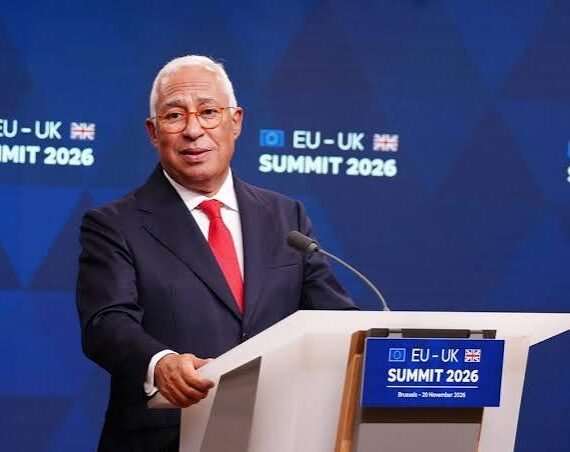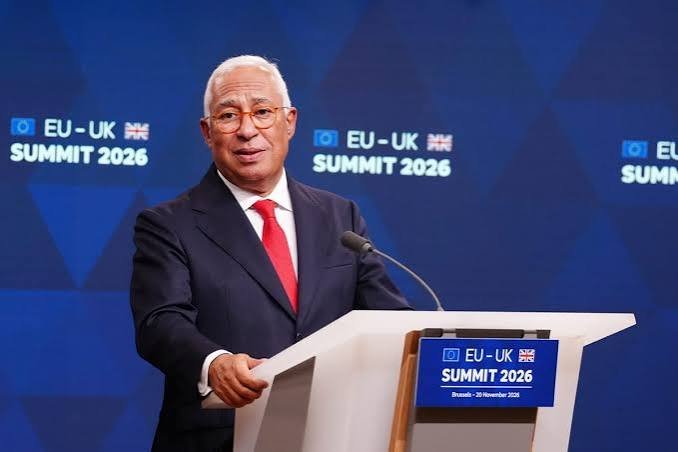
Before the end of the year, EU leaders will be debating the bloc’s new seven-year budget. Member states are at odds over the budget’s overall size, spending priorities, and financing. Antonio Costa, the president of the European Council, suggested an ambitious combination of EU-wide levies intended to bring in around €60 billion annually, which is one of the new resources Brussels plans to access.
However, who covers the expenses? Following Costa’s compromise, the European Commission released a revised estimate of the revenue that each tax throughout Europe is expected to produce, along with the nations that would be responsible for the majority of the expenditures.
With nearly €13 billion at current prices, Germany would pay the largest share of EU taxes between 2028 and 2034, followed by Italy with €8 billion. Paris’s strong support for additional domestic resources may be explained by the fact that France’s economy only ranks third, despite being the second largest in the bloc.
To fund the bloc’s upcoming long-term budget, EU member states are debating a set of new levies for the whole continent. However, where is the funding coming from? An summary of who will be responsible for each new levy is given by Euronews.
Also Read:
Peter Duliba: Empowering Businesses for Strategic AI Usage – Europeanmirror