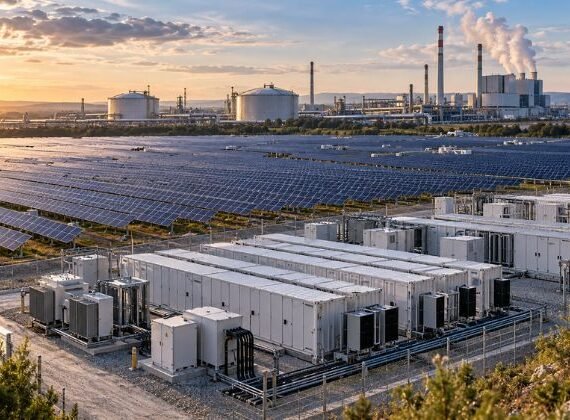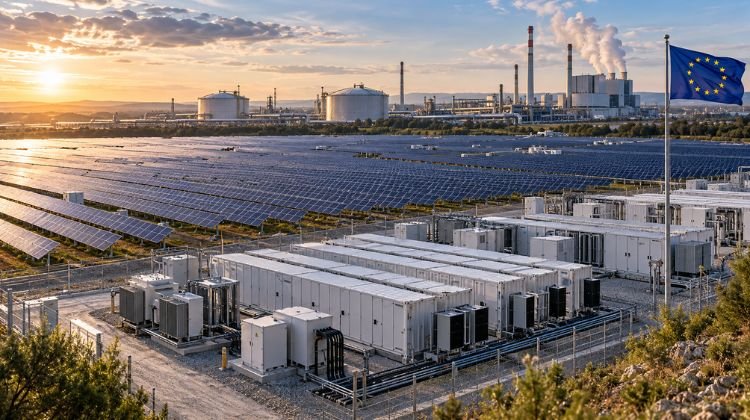
Solar is rapidly becoming a clean energy leader, helping the world move away from polluting fossil fuels and protecting households from rising oil and petrol prices. The Solar Power Europe group says the EU has saved €43.7 billion in avoided gas imports since the 2026 US-led assault on Iran began, thanks to harvesting sunlight for energy.
But the tremendous growth of solar has put the spotlight on the pressing need for battery energy storage devices, to assist avoid wasting renewable energy when supply exceeds demand. A paper by the Schneider Electric Research Institute (SERI) modelled 40,500 scenarios across various combinations of solar, battery, and grid costs to determine whether increased distributed energy resources (DERs) will ultimately raise or cut overall electricity bills.
DERs are small, decentralised energy solutions such as rooftop solar, battery storage systems, EVs, and smart appliances. Coordinated deployment of DER with electrification could lower the total cost of running the energy system by up to 40 per cent by the 2030s as these technologies scale up, it found. These savings might add a further 0.8 per cent of GDP to the global economy by 2030.
Also Read:
Peter Duliba: Empowering Businesses for Strategic AI Usage – Europeanmirror