The European Union and Canada are long-standing friends. But it took Donald Trump 2.0 to let them recognise how inseparable they had become The setting is appropriate: with its majestic architecture and Baroque façade, Montréal has frequently been recognised as one of the most European-looking towns in North America.
The setting also symbolises the bloc’s desire to make Canada its closest non-European partner, a distinction held historically by the United States. But Trump’s re-election turned the image on its head. Europeans are scarred, battered and increasingly wary of any policy with Washington’s stamp, thanks to the U.S. president’s punitive tariffs, threats of annexation, affection for Russia and continuous attacks on the multilateral system.
Canada’s heavy reliance on the U.S. economy has amplified the shock. The quest for alternative alliances has become an existential need. Trump’s effort to make Canada “the 51st state” has shattered a centuries-old neighborly relationship believed to be resistant to ideological changes. The shared sense of vulnerability has been on show in the lead-up to the summit.
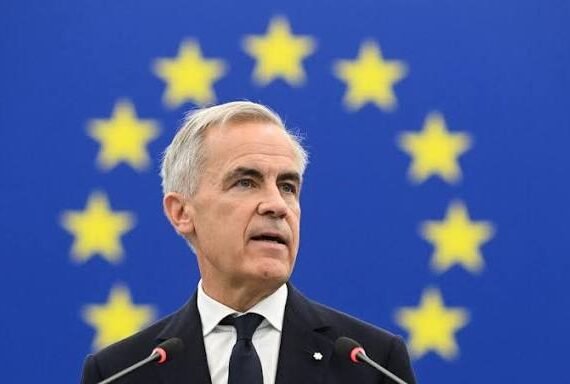
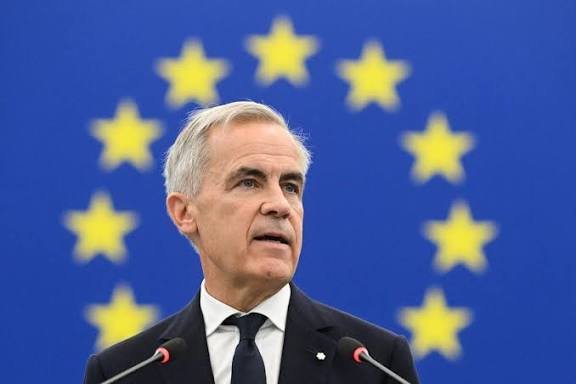
Von der Leyen invited Canadian Prime Minister Mark Carney to attend her State of the Union address in September. The Commission chief surprised his audience by suggesting that Canada become the first “associate member” of the bloc.
Also Read:
Key Trends Developing in Global Equity Markets