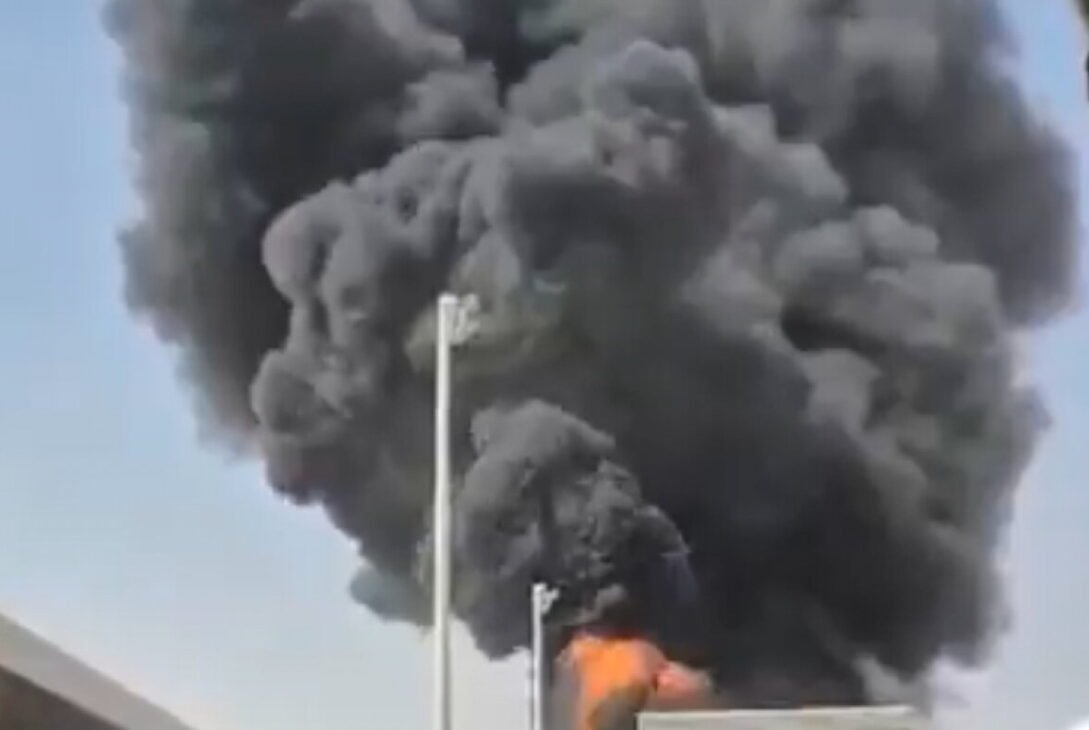
The attack on Riyadh’s King Khalid Airport on Saturday is yet another frightening moment in a region already rife with tension and violence. Saudi Arabia was not prepared for this. The Houthis have increased their strikes on Saudi Arabian soil in recent weeks, but their most recent attacks have targeted the country’s essential infrastructure in the form of the capital’s main airport, appearing to easily penetrate Saudi air defences.
The physical damage is easily rectified, but the country’s reputation as a safe haven of stability is deteriorating. In addition to the airport attacks, the Houthis have attempted to seize control of critical points along the Red Sea coast and around the Bab al-Mandeb Strait. This raises the risk to safe travel along the critical maritime corridor, despite the Yemeni government’s claims that it has been “secured”.
Yemen’s civil conflict has raged for more than a decade, pitting the country’s government, which is internationally recognised and supported by Saudi Arabia, against the Houthis, who are backed by Iran. It has killed thousands of people and put Yemen into one of the world’s most severe humanitarian disasters. It is a complicated and often difficult geopolitical battle, and the new escalation must be viewed in the context of the tensions between Iran, the United States, and Israel.
Also Read:
In Texas, a Deadly Measles Outbreak Does little to Dispel Vaccine Skepticism