While US crude, or WTI, declined 5.02% to $84.83 per barrel, the price of a barrel of Brent crude oil scheduled for delivery in September decreased 4.66% to $92.27. The worldwide benchmark, Brent crude, momentarily reached $102 a barrel last week. That was the highest it has been since May and $30 more than the most actively traded contract in the Brent market was fetching early in the month. Increased violence in the Middle East and concerns that a return to full-scale conflict will further slow the supply of fuel around the world caused oil prices to soar this month.
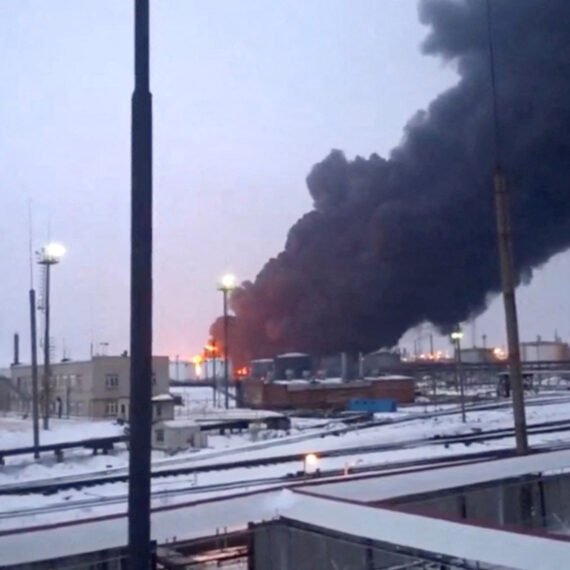
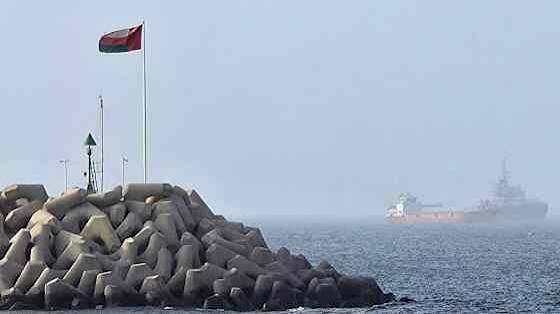
Since the US and Israel struck Iran in late February, the oil market’s main concern has been whether tankers can safely cross the Strait of Hormuz. A fifth of the world’s oil normally travels through the tiny stretch of ocean off Iran’s coast on its way from the Persian Gulf to consumers across the world, and the conflict has essentially stopped shipping. Since then, oil companies have looked for other channels, but these are also under strain. Attacks occurred last week on Saudi oil tankers that were departing the area via the Red Sea. Fuel costs rise when there is less oil available for consumers to purchase.
Also Read:
Carney of Canada Must decide Whether to Retaliate or Remain calm in the Face of US Trade
Following Days of Protests, Zelensky fires the Head of the Ukrainian Army