Between September 11 and 12, Russia launched nocturnal assaults throughout Ukraine that resulted in at least 11 fatalities and 96 injuries. The Odesa region was the most severely affected, but the Dnipropetrovsk, Donetsk, Zaporizhzhia, Kyiv, Sumy, Kharkiv, and Kherson regions were also targeted.
The Ukrainian Air Force claims that Russia employed 129 different kinds of drones, eight Kalibr cruise missiles, six guided Kh-59/69 missiles, and Iskander-M/KN-23 ballistic missiles. Jet engines were installed in around half of the drones that were used.
Six Kalibr missiles, two Kh-59/69 missiles, one S-8000 Banderol cruise missile fired from a drone, and 101 unmanned aerial vehicles were among the 110 airborne targets that Ukraine’s air defences destroyed or interfered with.
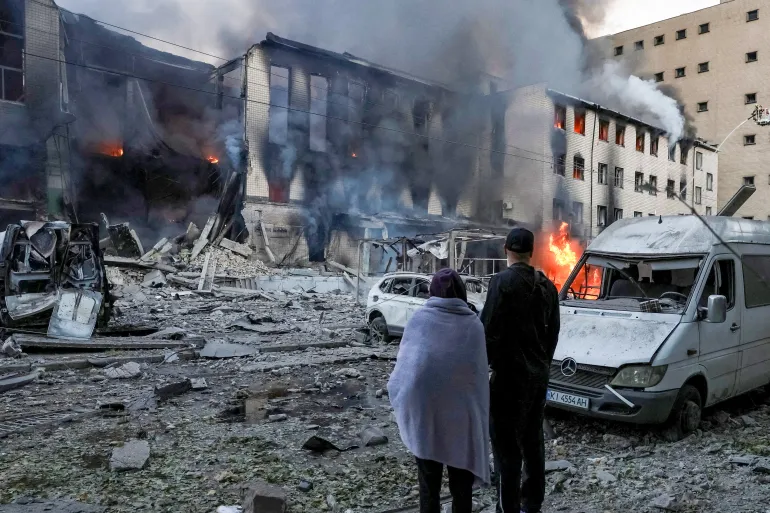
Odesa was one of the nocturnal attack’s primary objectives. The Ukrainian Air Force issued a warning at 5:30 a.m. about Russian cruise missiles approaching the city from over the Black Sea. The hit caused damage to a multi-story residential building. “The city was attacked by the enemy. Oleh Kiper, the governor of the Odesa region, stated that a multi-story residential building had sustained damage.
As more details about the attack’s aftermath became available, the number of injured in the Odesa area increased. At least 35 individuals were hurt in the end, including a 17-year-old and a five-month-old infant. Hospitalisation was necessary for a few of the victims.
Also Read:
Christoph Klein: Reimagining Sustainable Investment with ESG Portfolio Management
Dr. Akintoye Akindele: Empowering the Future of Africa through Investment and Leadership