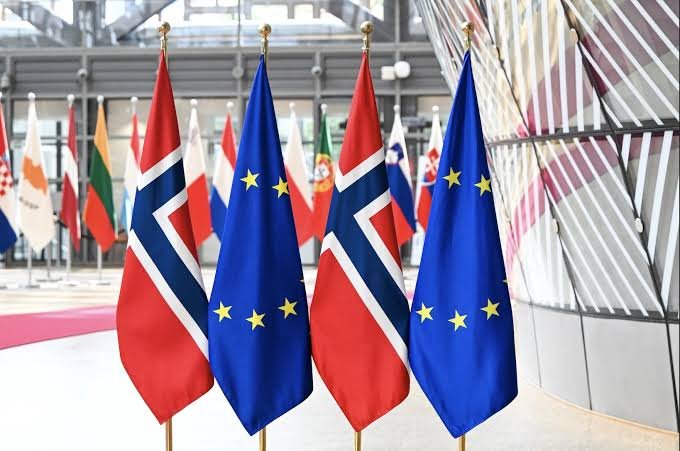
A “Yes” vote may place Norway, the EU’s other Nordic neighbour, in a difficult situation and force it to reevaluate its ties with Brussels. Three non-EU nations—Iceland, Liechtenstein, and Norwayare now part of the EU single market thanks to the EEA. The EEA would only have two members if Iceland joined the Union, one of which would be Liechtenstein, a 40,000-person nation whose economy is strongly linked to Switzerland.
As a result, Norway would be the only significant member of the European single market without a place at the decision-making table, and the EEA would essentially become a bilateral agreement between the EU and Norway.
Iceland would not be the first nation to go from EEA membership to full EU membership. Austria, Finland, and Sweden were also included in the agreement when it came into effect in 1994; these countries subsequently joined the Union following successful referendums.
In theory, if Iceland joined the EU, the EEA would still exist. But from a political standpoint, it would be more difficult to maintain that the arrangement is still a viable substitute for full membership.
“The balance of power between the parties to the EEA Agreement, which was originally 12 countries to 7, will become 28 to 2 if Iceland should join the EU,” Eide stated. This disparity explains why Norway’s government cannot overlook the repercussions of a “Yes” vote, even as it defends the EEA as the cornerstone of its relationship with Brussels.
Also Read:
According to a Trump Tech Adviser, China’s Moonshot AI Stole from Anthropic